Private Well Water Testing for both general private homeowners and standard loan requirements (FHA, VA, USDA loans)
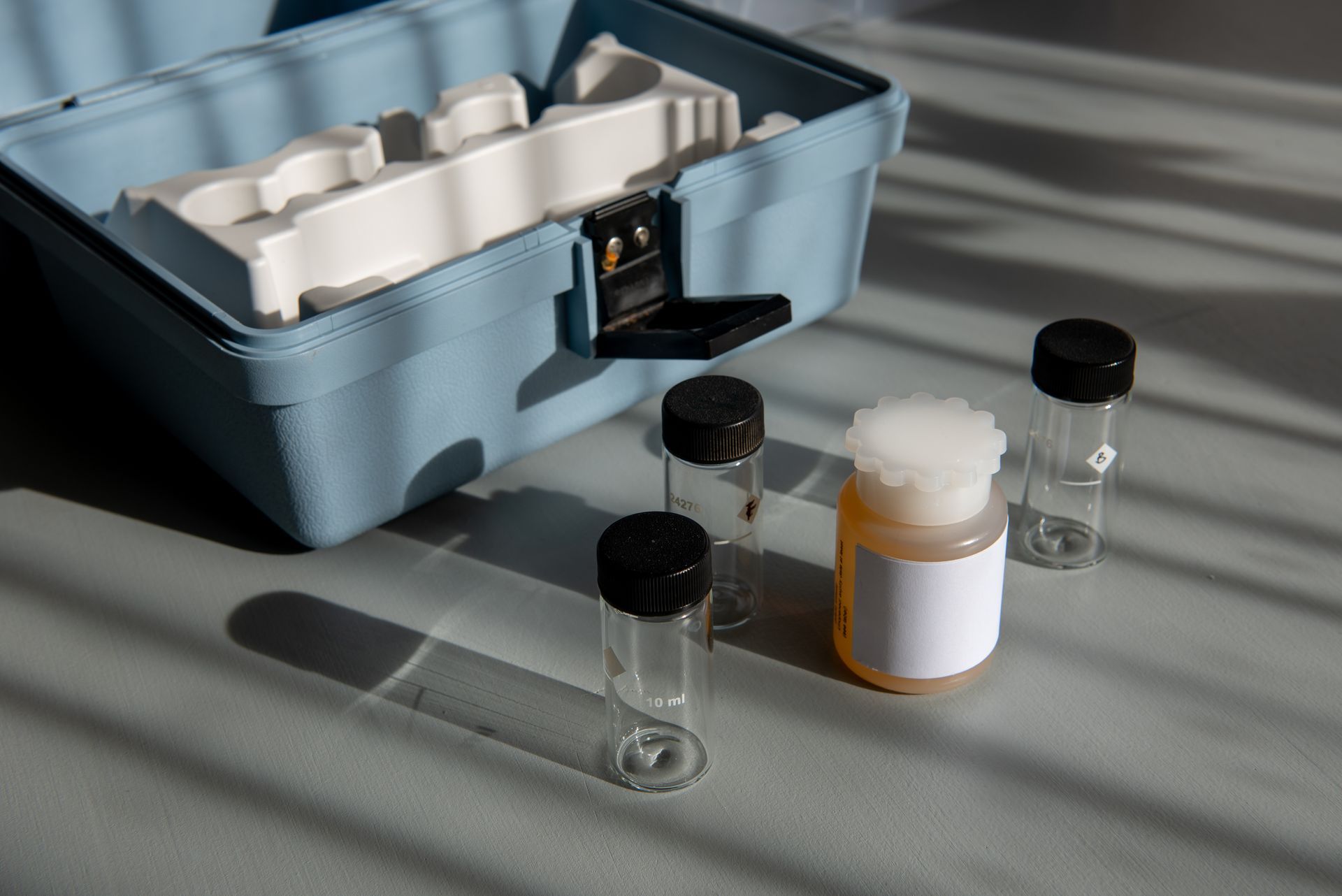
J&J provides private-well water sample collection and laboratory testing for homeowners and real-estate transactions, including FHA, VA, and USDA loans when required. Required analytes, collection procedures, and acceptance periods can vary by loan program, lender, property location, and transaction. Clients should confirm the lender's current testing requirements before sampling.
Government Loan Well Water Testing
Lenders mandate these tests because they need to verify the home is safe and sanitary before backing the mortgage. Here is exactly how these three specific loan types handle private well testing.
Residential Well Water Testing
Regular testing helps homeowners monitor the quality of their drinking water and identify contaminants that may affect health or water quality. Even wells that have produced clean water for years can change over time due to weather, nearby construction, septic systems, or agricultural runoff. Our residential well water testing can identify common concerns such as:
- Total Coliform Bacteria
- E. coli Bacteria
- Nitrates & Nitrites
- Lead
- Additional contaminants as requested or recommended for your area
Testing your well annually is one of the best ways to ensure your family's drinking water remains safe.
FHA Well Water Testing
FHA loans require private wells to meet specific safety and performance standards before financing can be approved. Our FHA well testing services include laboratory water analysis and documentation to help satisfy lender requirements. FHA guidelines commonly require testing for:
- Total Coliform and E. coli bacteria
- Nitrates and Nitrites
- Lead
In addition to water quality testing, If the lender requires well-location, separation-distance, or flow/yield verification, those requirements should be confirmed separately. J&J's advertised water-testing service is sample collection and laboratory analysis unless an additional service is specifically agreed in writing.
VA Well Water Testing
VA loans require private well water testing to help ensure veterans and military families are purchasing homes with safe drinking water.
VA loan guidelines generally require testing for:
- Total Coliform and E. coli
- Nitrates and Nitrites
- Lead
One important requirement is that the water sample must be collected by a qualified, disinterested third party. Buyers, sellers, and real estate agents are not permitted to collect the sample themselves. Acceptance periods vary; confirm the current requirement with the lender handling the transaction.
USDA Well Water Testing
USDA loans commonly finance homes in rural areas where private wells are frequently used. As part of the loan approval process, the well water must meet established drinking water quality standards.
USDA well water testing typically includes:
- Total Coliform and E. coli
- Nitrates and Nitrites
- Lead
Some properties requiring extensive permanent water treatment systems may require additional review during the loan approval process. Acceptance periods vary; confirm the current requirement with the lender handling the transaction.
Why Schedule Your Well Water Test Early?
When purchasing a home, timing is important. Laboratory analysis generally takes several business days, and if contaminants are detected, additional time may be needed for treatment and re-testing.
Scheduling your well water test early in the inspection period provides time to:
- Receive certified laboratory results before important deadlines.
- Address any water quality concerns.
- Complete any required re-testing.
- Avoid unnecessary delays during closing.
If bacteria such as coliform are detected, it is often possible for the well to be disinfected and re-tested after treatment.
FAQ
How often should private well water be tested?
Most health professionals recommend testing private wells at least once each year. Additional testing is recommended whenever there are changes in taste, odor, color, flooding, nearby construction, or after repairs to the well system.
What contaminants are typically included in a well water test?
Standard testing commonly includes Total Coliform bacteria, E. coli, nitrates, nitrites, and lead. Additional testing can often be performed depending on local conditions or lender requirements.
Is well water testing required for FHA, VA, and USDA loans?
In many cases, yes. Government-backed mortgage programs frequently require certified well water testing to verify that the home's drinking water meets safety standards before financing is approved.
Who can collect the water sample for a VA loan?
VA guidelines generally require the sample to be collected by a qualified third party, such as a certified home inspector, laboratory technician, or local health official. Buyers, sellers, and real estate agents are typically not permitted to collect the sample.
How long do well water test results remain valid?
VA water test reports are generally valid for about 90 days, while USDA reports are commonly accepted for up to 120 days. Requirements can vary by lender, so it's always best to verify current guidelines during your transaction.
What happens if my well water fails the test?
If contaminants are detected, corrective action can often be taken before the property closes. For example, wells with bacterial contamination are commonly disinfected, flushed, and then re-tested to confirm the water meets required standards.